What is a Birth Doula?
The role of a doula is based upon a common practice in most cultures around the world and throughout history in which childbearing families are surrounded by a circle of caring, skilled, and knowledgeable community members, who celebrate and assist the passage to parenthood.
Only decades ago, in the United States, this dynamic changed for the majority of families when birth care moved out of the home and into hospitals. While some things about birth became safer physically for some mothers and babies, concurrently, childbirth became increasingly medicalized, technocratic, impersonal, and even harsh at times.
Though fathers won the right to be present at birth, many felt overwhelmed with the full responsibility of meeting their partner’s physical and emotional needs, had their own anxiety and fears unaddressed, and some felt robbed of their own experience of simply witnessing the birth process.
More recently, shorter hospital stays, physician and nursing shortages, and economic cutbacks have cut even further into the time and attention medical staff can give to birthing parents.
The doula profession arose out of the recognition that childbearing families were feeling bereft of the aspects of care that met their emotional, psychological, social, and spiritual needs too, which helped to buffer and enhance their experience. Doulas link parents with community resources and fill many gaps existing in our overburdened health, social and family support systems.

What does a Doula Do?
Birth Doulas offer a care package that typically includes visits with you and any birth partners in the last months of pregnancy, joining with you once you are in established labor and remaining after the birth until the family feels settled. Once you are home, they provide follow up visits with your family. They are also available by phone or text during their business hours. Because there are a wide variety of circumstances and sometimes special situations with families, doulas adapt their care packages to suit a family’s individual needs. OHP and some insurance companies may also cover extended visits during the pregnancy or after birth by the doula.
Click an Image Below to Learn More about Doulas




What difference does a THW-trained Doula Make?
A THW Doula is a trained professional who focuses on this vital physical, emotional, social, and informational support to your family during pregnancy, childbirth, and the postpartum period. Think of them as a skilled and knowledgeable companion dedicated solely to meeting the needs you identify for this amazing and sometimes challenging journey. Their care complements the other members of your birth care team, whether in hospitals, birth centers, or at home, and does not involve clinical tasks or medical recommendations.
THW Doulas also caretake families in their homes after the baby arrives and sometimes during a complicated pregnancy. They provide evidence-based information on infant care, behavior, and soothing skills, breast/bottle feeding guidance and assistance with newborn sleep routines. They also support the birthing parent with comfort measures, getting rest, emotional care, and look out for mental health concerns. They offer tips for the partner’s role, sibling adjustment, and family adaptation. Some care packages include light household tasks and meal preparation as well. Extended postpartum care may be provided for families with challenging situations, such as families of multiples, those who have no help available, where there are birth or newborn complications, or when a serious postpartum depression occurs.
During Pregnancy
Emotional Support: During prenatal visits, Doulas work to create a trusting relationship, provide reassurance and encouragement, help reduce stress and anxiety, and ease your fears while building your confidence. Doulas support your choices and refrain from judgement. They evaluate your support systems and encourage you to gather more support around you if needed.
Education: Doulas explain the birth process and point you to evidence-based information about options regarding pregnancy, childbirth, postpartum recovery and newborn care. They encourage you to practice healthy lifestyles, help you create personalized coping strategies for labor, and teach you tools to make informed decisions about yours and your baby’s care. They share knowledge about local maternity care practices and provide helpful resources for your family.
Birth Planning: A doula works with you to develop a birth care plan, a tool used to communicate to your care team what your preferences, needs, and priorities are for several birth situations you might face, your postpartum recovery, and care of your infant.
During Labor and Birth
Continuous Presence: Unlike most medical providers who may come and go, or may be unfamiliar to you, doulas remain by your side, providing calm and nurturing support throughout the labor and birth and into the early hours following. They are like a tour guide through the stages of labor, plus they know your wants and needs and ways you like to be helped.
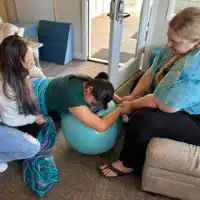
Supportive Techniques: From breathing exercises to massage and positioning suggestions, doulas offer many comfort measures and pain relief techniques to ease the intensity of labor. Doulas stay focused on you, encourage and reassure you, and lift your spirits. They are especially helpful if you have to cope with difficult situations, medical procedures, or a Cesarean Birth.
Guidance for partners and other birth helpers: Your doula will discuss with you and any other birth helpers how they see their role and how you can best work together as a team.
Doulas can give suggestions on ways they can help, support them physically and emotionally too, and give them breaks as needed. Partners say they felt reassured, more useful, and had a better experience themselves when a doula was present.
Advocacy: Doulas help you navigate communication with medical staff, ensuring your voice is heard, your choices are honored, and you are treated with respect. They may serve as a negotiator if there are different points of view.
After Birth (Postpartum)
Postpartum Support: Birth Doulas remain with you after the birth until your family is settled in. They visit you at home, usually in that critical first week, and a few weeks later. They can assist with the emotional and physical recovery process, offer guidance on infant care and family adjustment, and look out for signs that you or your baby needs referral to a health care professional or community resources.
Breastfeeding : Doulas check on how breastfeeding is going, offer comfort measures and latching-on tips, and know when to refer you to a lactation consultant or baby’s care provider when needed.
Emotional Well-Being: Doulas inquire how all family members are adjusting emotionally, review the birth experience, reduce feelings of isolation, and help prevent or respond to concerns about postpartum depression or anxiety.
Why should I have a Doula?
The experiences surrounding the childbirth cycle matter just as much as the physical outcomes for parents and babies. It is a time of major transformation for all concerned. While it is true that childbirth is unpredictable in many ways, having a birth doula’s support and guidance on ways parents can affect their experiences during the pregnancy, birth, and postpartum period can make a world of difference. Think of your doula as a tour guide through this major life event. Research consistently shows that the support of a doula leads to healthier and happier childbirth experiences, after birth recovery, and adjustment to life with a newborn. Dads and partners also report feeling more included and positively involved, less anxious, and free to enjoy the birth of their baby and connect with their newborn.
Positive Effects of Doula Care
Fewer C-Sections and Preterm Births: Doula care has been linked to an increase in vaginal births, thus lower rates of cesarean births, even with a partner, birth helper, or care providers present. A decrease in early deliveries has also been shown.
More Successful Vaginal Births After Cesarean (VBACs): If you’re hoping for a VBAC, having a doula increases your chances of a successful vaginal delivery.
Shorter Labors: With the kind of emotional and physical support doulas provide, their presence often reduces the overall length of labor.
Less Need for Pain Medication: Doulas offer comfort and pain relief measures, positioning tips, and constant encouragement, which can lead to less reliance on epidurals and other medications to cope with labor for those who would like to avoid that.
Healthier Babies: Studies show babies born with doula support are more likely to have higher Apgar scores, a key measure of newborn health.
Successful Start to Breastfeeding: When parents-to-be have doula care, they are more likely to initiate breastfeeding, have less difficulties, and stick with it longer.
Lower incidence of Postpartum Mood Problems: The support from doulas has been shown to help new parents feel more confident and supported and to reduce the incidence of postpartum depression, anxiety, trauma, and other distressing mood problems.